
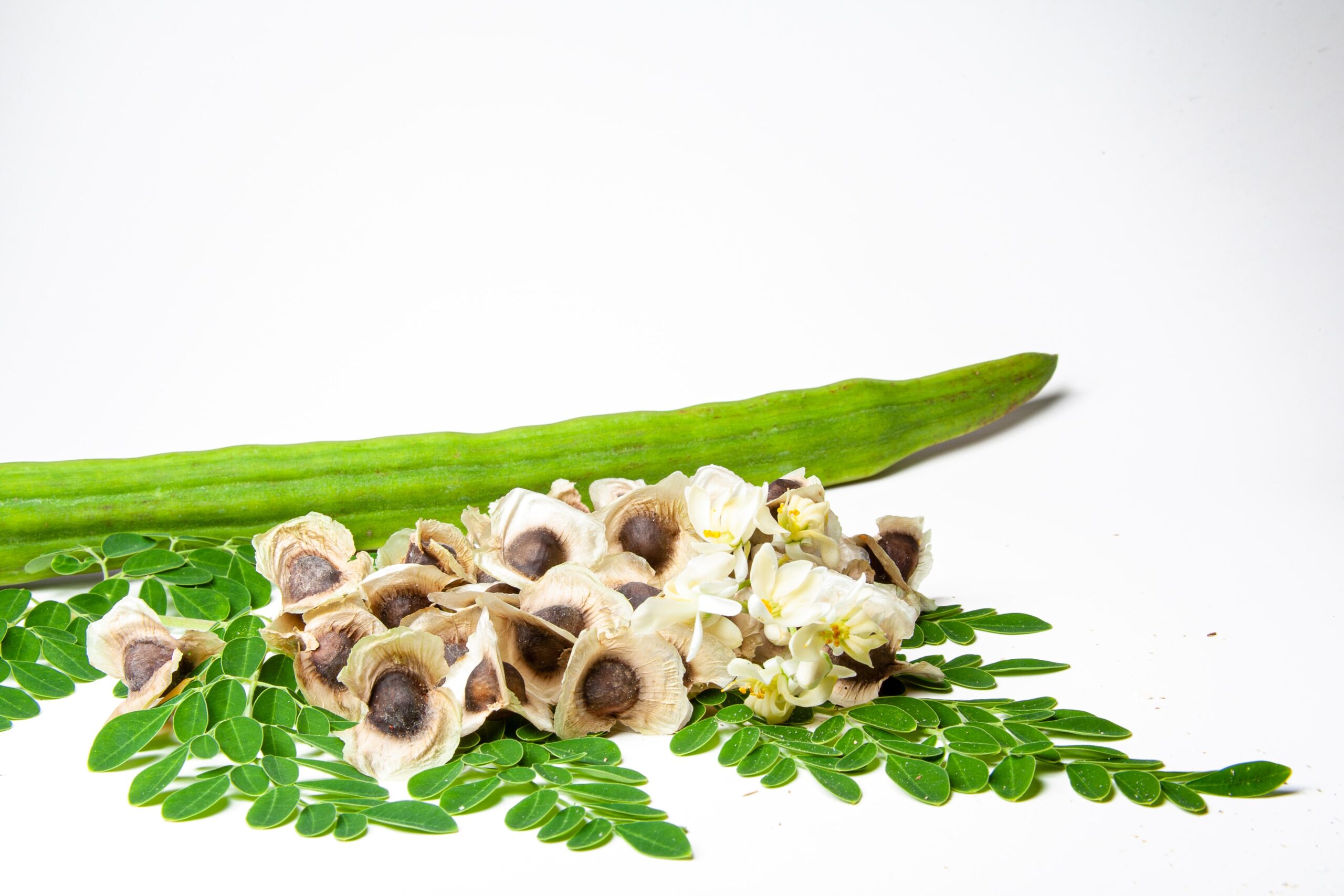
India has the potential to become a world leader in Moringa products extraction and sale. Both the Moringa fruit and leaf powder are in huge demand all over the world as superfoods and India is home to almost all the varieties of Moringa. However, there is one catch, farmers except in Tamil Nadu and Karnataka…
The Moringa tree is probably one of the most popular trees, usually found in rural and semi-urban settlements, especially in South India. The tree is usually grown in clusters, next to open drains and small empty plots of land, close to the habitation, but not exactly within. One of the main causes for Moringa being grown in such a manner is because, the tree attracts common pests such as Popfly and different varieties of Caterpillars, as a result, the plant has traditionally been grown away from cultivated areas, plantations, and homesteads.
However, with the advent of pest control methods and techniques, many farmers, especially in the drier states of South India, Tamil Nadu, and Karnataka, have successfully grown Moringa plantations, over the last three decades, while diligently avoiding mixed cultivation. Both states have pioneered research in the various subspecies of Moringa, especially, Moringa Oliveira and Moringa Arabica, through their agriculture research departments and have paved the way for many success stories.
Manish M, an organic farmer from Mysore said, ” My family owns 20 hectares of land near Mysore. Much of it is semi-arid, dry land, which was totally rain-fed. Keeping the limitations of the soil in mind, I decided to grow Giant Bamboo, to mark the boundaries and started growing a Moringa Plantation in one portion of the land, on the rest of the land, I grow millets.” He added that the idea of growing Moringa struck him when he was working as a journalist in Andhra where the demand for both Drumsticks as well as the spicy, Moringa powder was high. ” I realized that there was a lot of money to be made and did some research on the plant. That was when I realized that Moringa leaf and fruit were considered to be superfoods, packed with minerals and Amino acids, and, with a lot of international demand for both,” Manish said. Corroborating the statement made by Manish, Amit Srivastava, the Chief Catalyst of Nutrify Today said, ” Moringa is slated to have a Seven Billion, global market potential. This is a great segmental opportunity for India to explore “
However, there is one major catch, the tree is rarely grown as a plantation crop in many parts of the country as pest management and control are very important, any negligence on part of a single farmer could lead to a pest pandemic, destroying other crops, across a wide area. ” Usage of fungicides and need oil is a must to keep the pests in control. Moreover, it also involves a lot of micro monitoring and many farmers may not have so much time at their disposal, due to other reasons, ” Manish added. This is exactly where the catch lies, while one m8ght wax praises Moringa as a superfood, rich in minerals and am8no acids, the question is, what kind of an impact would Moringa as a full-fledged plantation crop, have on other crops and plantations?
Image Credit: https://unsplash.com/photos/chExmKr8lEY?utm_source=unsplash&utm_medium=referral&utm_content=creditShareLink