
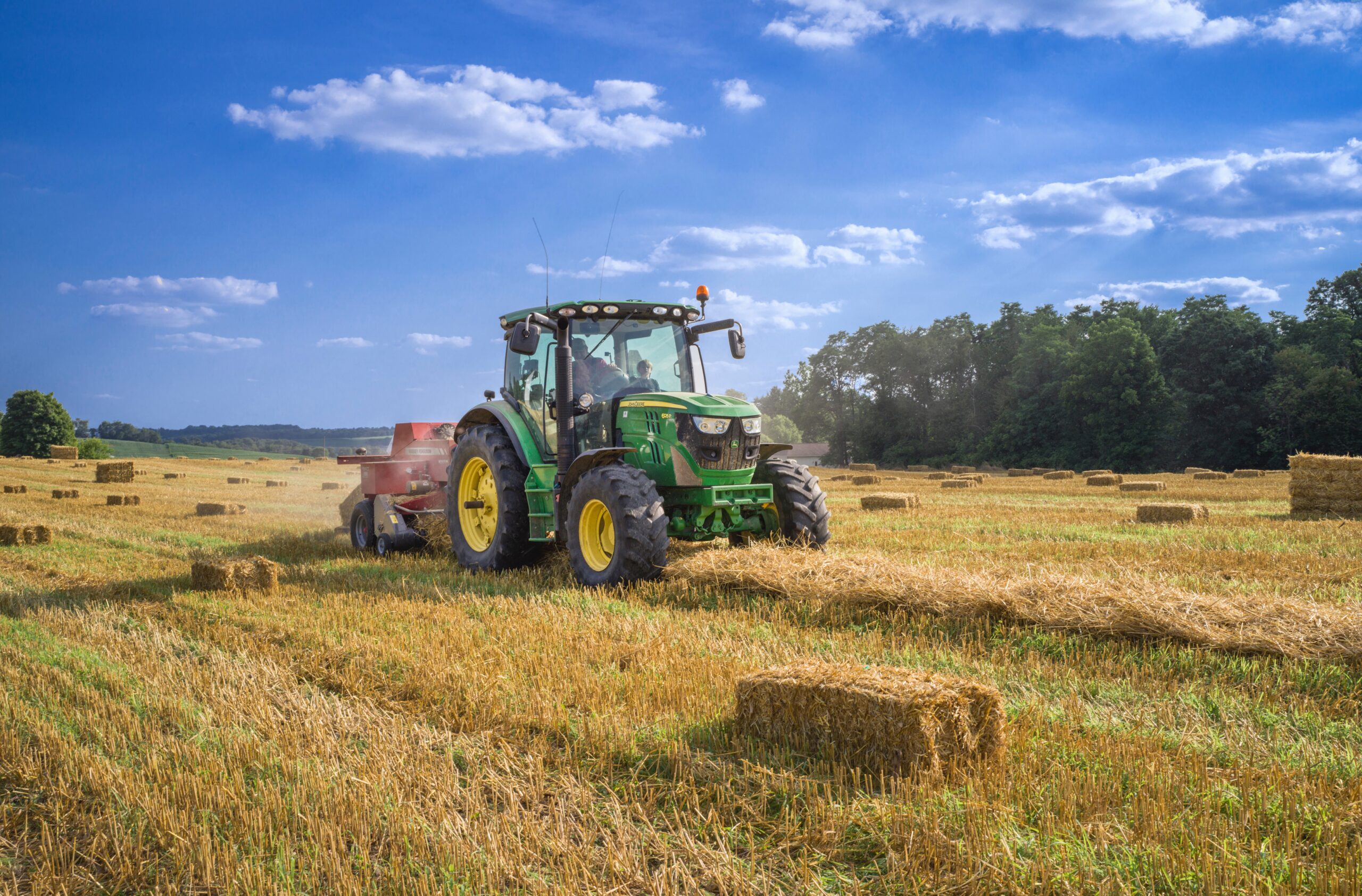
Agro reforms beneficial to farmers and industry a must if India has to achieve its 100 BN Dollar Dream. Miniscule holdings are proving to be a great challenge in attaining crop consistency and quality.
India is without doubt, the most agro- diverse region / country in the world, which gives the farmers of the region to grow a varied number of crops.
This natural advantage is without doubt a huge boon to the Nutraceutical industry in the country and if properly tapped into, could well lay the road for India’s 100 BN Dollar Dream.
While this may be true, the micro scale land holdings in India could prove to be a major disadvantage as the farming techniques used as usually, subsistence level techniques, with absolutely no room for mechanised scale up.
One of the main reasons for such small holdings is the Agriculture Land ceiling Act, which us still here to stay for a while.
However, the Act is a deterrent to individual land owners but not to the corporate sector. Most importantly, there is no limit or ceiling on the volume of land that can be taken on lease.
Mr Anand Swaroop, President, CEPHAM, said, ” India as an agro zone is extremely diverse, but it also poses some challenges. The land holdings are small and in such a scenario, steps must be taken to ensure that the Nutraceutical growth story, includes the farmers, protecting their rights, as they are the fundamental stake holders.”
As per the data provided by the GoI Ministry of Agriculture and Farmer’s welfare, the size of land holdings per head has been plummeting rapidly and as per projections, by 2025_2026, the average holding is slated to be less than two acres per head.
Even though, agriculture may no longer be the primary source of income to most, even in rural areas, agriculture land is highly valued as commodified property, providing the much needed property security.
The conditions therefore are highly unsuitable for corporates to take over large swathes of land from multiple farmers as lease holders. As a result, most companies prefer buying the crop.
P Venkata Rao, a former scientist at the agro research station in Chintapalli said, ” Nutraceutical companies will look for sustained consistency in the produce, which is extremely difficult to achieve when the land holdings are this tiny. This obviously poses a huge problem to both the supplier and the procurement and as a result, much of the crop would be rejected.”
At the end of the day, the industry and the Govt must look forward to push for sustainable agro reforms, ensuring that, both the farmer and the industry get to benefit.
Image Credit: https://unsplash.com/photos/dDc0vuVH_LU?utm_source=unsplash&utm_medium=referral&utm_content=creditShareLink