
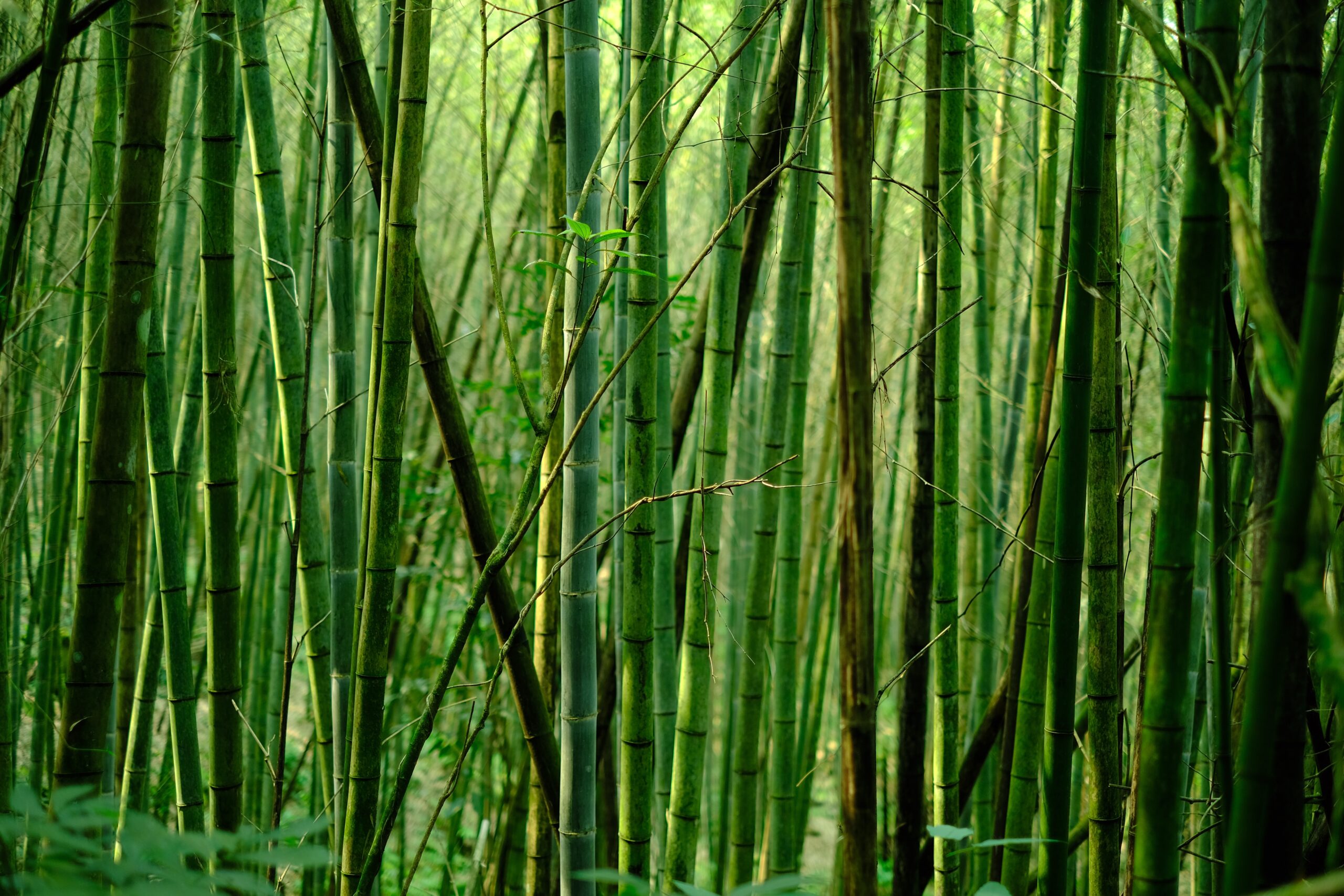
Scaling up of Bamboo Rice harvesting and promoting Bamboo as a mixed crop in horticultural areas would ensure commercial viability of Bamboo Rice harvesting. Farmers believe that scaling up must be encouraged collectively and believe that it must be promoted as an organic and healthier alternative to paddy and wheat.
The common Bamboo tree is used for various purposes. Right from producing high quality paper to furniture and as poles to build supporting frames during construction activity. However, Bamboo, which has finally been declassified as a tree, is also known for its nutrition rich variety of Rice.
Bamboo is after all a variety of grass, with a specifically much longer life span and Bamboo Rice, has been a much sought after variety of Rice, used in cooking special dishes.
All these years, Bamboo Rice has never been harvested commercially, chiefly because, the harvesting of the seed is done only at the fag end of the Bamboo shrubs life span.
The Bamboo shrub dies, soon after the flowering and seeding stage.
According to researchers at the Chintapalli Agri Station, Bamboo varieties, which have a shorter life span and easier to harvest, should be selected for commercial harvesting of Bamboo Rice to be made viable.
According to reports published by the Acharya N G Ranga Agriculture University, Bamboo Rice harvesting could yield up to five tonnes per hectare, roughly two tonnes of hushed grain per acre.
One of the scientists added that though the yields were, the sheer life span of Bamboo , which can live usually for decades, does not make it commercially viable.
Sagi Chiranjeevi Raju a farmer from Makkavaripalem Mandal, Anakapalli District said, ” Many of us actually grew Bamboo, for purposes other than seed harvesting. We grew Bamboo because it could be grown as a intermediate crop, which would provide us with an alternative source of income. However, the curbs on Bamboo exploitation from 2004 to 2017, turned our Bamboo into a white elephant.”
However, Chiranjeevi Raju as a pragmatic farmer, sees a glimmer of hope in harvesting the seed. A neighbouring farmer, B Mahesh, straddled with a similar problem, said, ” I have more than thousand clumps of Bamboo, all along my farm boundary. I have approached a number of contractors for cutting and transporting my Bamboo, but none have responded so far. The Bamboo clumps are ageing and some are showing signs of reaching the flowering stage soon. In such a scenario, I have no other option but to harvest the seed.”
Experts in the agriculture and horticulture department believe that Bamboo Rice harvesting can be made a commercially viable activity, 8f the Bamboo is grown extensively as an intermediary crop. Some of the farmers, including Mahesh sense an opportunity there, ” It can be promoted as an organic product and can be used as a dietary alternative for regular varieties of rice, especially for those suffering from diabetes and other ailments.”
The commercial viability of Bamboo Rice harvesting raises a lot of ifs and buts.
However, the sheer volume of yields, about two tonnes per acre, give farmers a glimmer of hope.
Mahesh believes that the only way to make it commercially viable is through collective scaling up, thereby benefiting the farmer’s collective as well as the exporter.
Though the Government of India has taken the first step in the right direction, by declaring Bamboo as a variety of grass and not a tree species in 2017, much needs to be done to promote Bamboo Rice as an alternative to paddy, wheat and millets.
This is unfortunate because India is the Bamboo hub of the world and so far no measures have been taken to make the harvesting process, commercially viable.
Image Credit: https://unsplash.com/photos/PD80JeCSJf4?utm_source=unsplash&utm_medium=referral&utm_content=creditShareLink